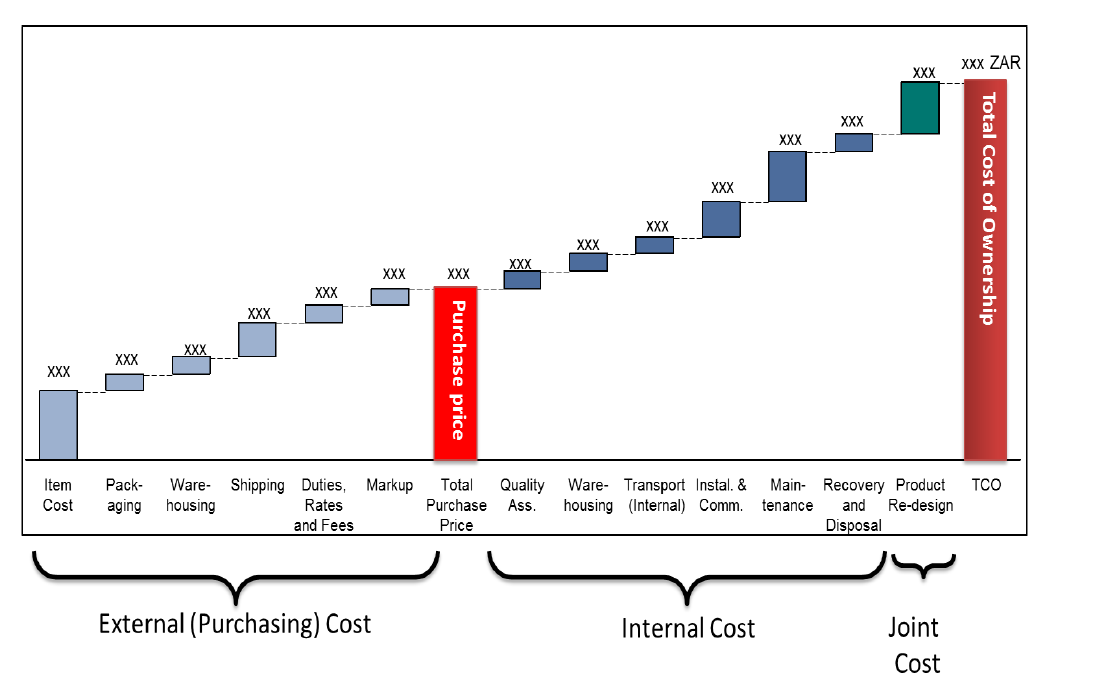
Total Cost of Ownership (TCO)
Summary
Total Cost of Ownership (TCO) is a comprehensive financial estimate that calculates the full, long-term cost of an asset over its entire lifecycle, beyond just the initial purchase price.
Written By
Sudeep Dalal
1.1 The objective
To determine the direct and indirect costs of a product or service over its full life cycle (from procuring, installing, deploying, operating, upgrading, maintaining and disposal).
2.1 What is the Total Cost of Ownership and why it is important?
i. It is a financial estimate that helps the organisation to determine the direct and indirect costs of a product, service or system.
ii. The analysis goes beyond the initial purchase price or implementation cost, It considers the full cost of an asset over its useful life.
iii. It’s the combination of the purchase price plus all other costs you will incur, less any income you receive to offset the costs incurred.
3 When to use TCO ?
TCO can be used at various stages in procurement:
i. In a business case, to assess the costs, benefits and risks associated with the procurement.
ii. When assessing different business models, maintenance options or solutions on a comparable cost basis.
iii. To understand the different cost drivers in the life of a procurement.
iv. By a supplier when bidding for a contract to demonstrate the total benefits and value being offered – especially where the initial purchase price is higher than competitors, but the total cost of ownership is lower.